
15 Years On, Lagos Fashion Week Is Still Shaping The Future Of African Fashion


As you’re no doubt aware, since the turn of the millennium, Lagos – Nigeria and West Africa’s largest city – has quickly established itself as a global cultural hub. That’s typically attributed to its thriving music and film industry, which the world has to thank for the gifts of Nollywood, Afrobeats, alté and more; one less widely acknowledged, though, is the city’s formidable style culture. Over the past 15 years, a key catalyst in this respect has been Omoyemi Akerele’s Lagos Fashion Week, a yearly event that distills the city’s inimitable vibe and flair for dressing, and serves as a proud platform for African fashion, broadcasting it to the world.
Its anniversary edition will unfold over the coming week, with over 60 designers on the schedule – with the likes of Adama Paris, Nkwo, Orange Culture, Iamisigo, and CuteSaint among them – with crowds in the thousands expected to attend. If the showcase’s history is anything to go by, this coming edition will pay testament to the fact that “we’re no longer just participating in global conversations; we’re shaping them,” Akerele asserts, her statement underscoring her resilience in building one of Africa’s most important fashion showcases.
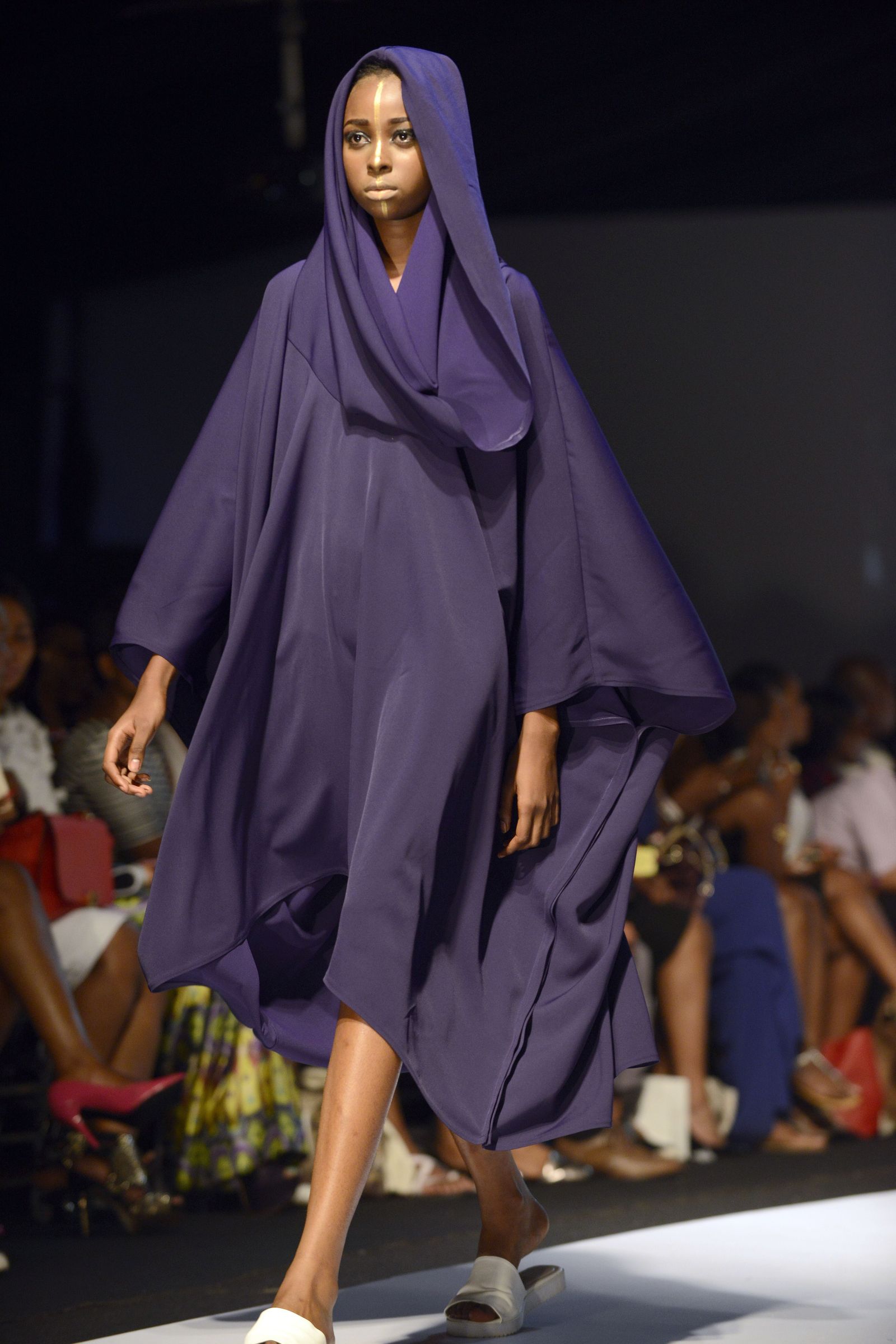
While Lagos Fashion Week may now be flying steady, looking back to the very first edition in 2011, it wasn’t the easiest initiative to get off the ground. This city’s notorious traffic jams and rolling power cuts posed what many would consider insurmountable logistical challenges for an aspiring world-standard fashion showcase. Akerele – working under the banner of Style House Files, her business and creative agency – remained undeterred, though. Of course, that first edition wouldn’t have been what it was without the faith of then-emerging designers like Lisa Folawiyo (then presenting on the New York schedule) and Maki Oh, who rose to the occasion, delivering innovative, contemporary-spirited riffs on traditional Yoruba aesthetics. Few in attendance will forget seeing Folawiyo’s vivid Ankara dresses and Maki Oh’s textural, hand-dyed adire shirts.
“These weren’t just storytellers – they were culture shapers, and solution bringers,” Akerele says, highlighting their impact. That also made itself felt in the global attention their bold designs garnered. Lisa Folawiyo’s garments were spotted soon after on the hangers at Selfridges, while a printed chiffon blouse by Maki Oh’s was sported by none other than Michelle Obama. That makes for poetic reading in hindsight, but perhaps more importantly, it’s a testament to the showcases’s influence – not to mention its success in launching the careers of designers who’ve taken the world by storm while honouring their roots.