
Are Timberland Boots Good for Snow?

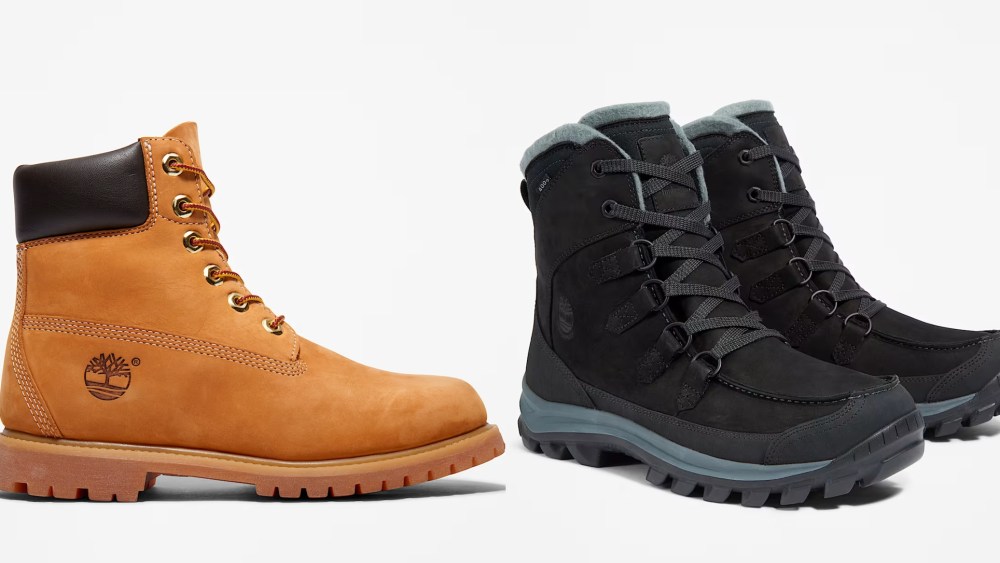
The yearly search for cozy and comfortable winter boots has begun. Timberland has stood the test of time by helping people brave the colder, snow-filled months with its footwear. It may have started as a work boot company, but Timberland is now known for creating stylish footwear to endure any weather.
Timberland started out manufacturing and designing work boots, with designer Sidney Swartz creating a waterproof, hard-wearing boot that would provide comfort, dryness, stability and support for the country’s skilled labor workforce, like loggers, factory workers, engineers, construction workers, and more. Then in 1973, the now-famous Yellow Boot was born, with no intention of becoming a fashion staple.
Thanks to the hip-hop influence of the 1980s and 1990s, the boots became a must-have, especially in New York and in the colder Northeastern states. The boots may have found a space in the fashion world, but they have also continued to cement themselves as a reliable all-weather shoe. The footwear company has continued to evolve and incorporate materials and technologies to enhance its boots and make them wearable in snow, rain, sleet and icy conditions during winter.
What features make Timberland boots suitable or unsuitable for snowy and icy conditions (e.g., waterproofing, insulation, traction)?
According to a statement the brand shared with FN, many Timberland winter boots feature seam-sealed construction, which helps keep out snow and water. They also use waterproof leathers and specialized membranes, such as TimberDry, to block moisture while allowing some breathability. In addition, Timberland uses PrimaLoft insulation in many of its winter and snow models, helping keep feet warm and dry while walking city streets. The PrimaLoft is designed to keep the wearers’ feet and toes warm and comfortable on the inside, while the leather uppers provide tough protection from the elements on the outside.
A close-up of the PrimaLoft insulation.
Some of the classic 6-inch winter boots also have 400 grams of PrimaLoft insulation for serious cold protection. Even in their “non-insulated” models, the leather of the boot itself provides a baseline level of insulation for the foot, according to the brand. The Timberland’s lug outsoles are also known for providing traction and durability, with many made from Gripstick rubber or featuring a patented L7 lug design for multi-directional grip that helps prevent slipping.
What are the limitations of Timberland boots in deep snow or extreme winter weather?
While most Timberland boots are useful for light snow, they also sell specialized snow boots for deep snow or extreme icy conditions. According to the brand, their waterproof boots are suitable for slushy conditions in a city, while their tall, higher-cut winter boots are fitting for heavy, deep snow.

Timberland Pro work boots.
The Timberland fashion boots or non-winter work boots without insulation or a waterproof membrane may be worn in frigid temperatures when paired with the brand’s cozy thermal socks for added warmth.
How can consumers properly care for Timberland boots to maximize their performance and lifespan in snow?
To extend the lifespan of Timberland boots and maximize their effectiveness, Timberland recommends cleaning and drying them before applying a wax or waterproof spray, and avoiding direct heat when drying. Timberland also has a Product Care page that provides step-by-step instructions for cleaning leather, suede and nubuck boots, as well as a list of products to protect the footwear. The brand’s Balm Proofer, for example, provides non-waterproof Timberland boots with a water and stain-repellent coating to be used in light snow.
In addition to its snow-specific offerings, the brand also sells the Timberland Pro work boots line, which is designed for heavy use in harsh environments, making them ideal for snow. They are made with Gore-Tex or TimberDry membranes along with waterproof leathers and seam-sealed construction, as well as soles with grip and traction.