
Paula Deen’s Lawyer Says Her N-Word Admission Was Taken O…

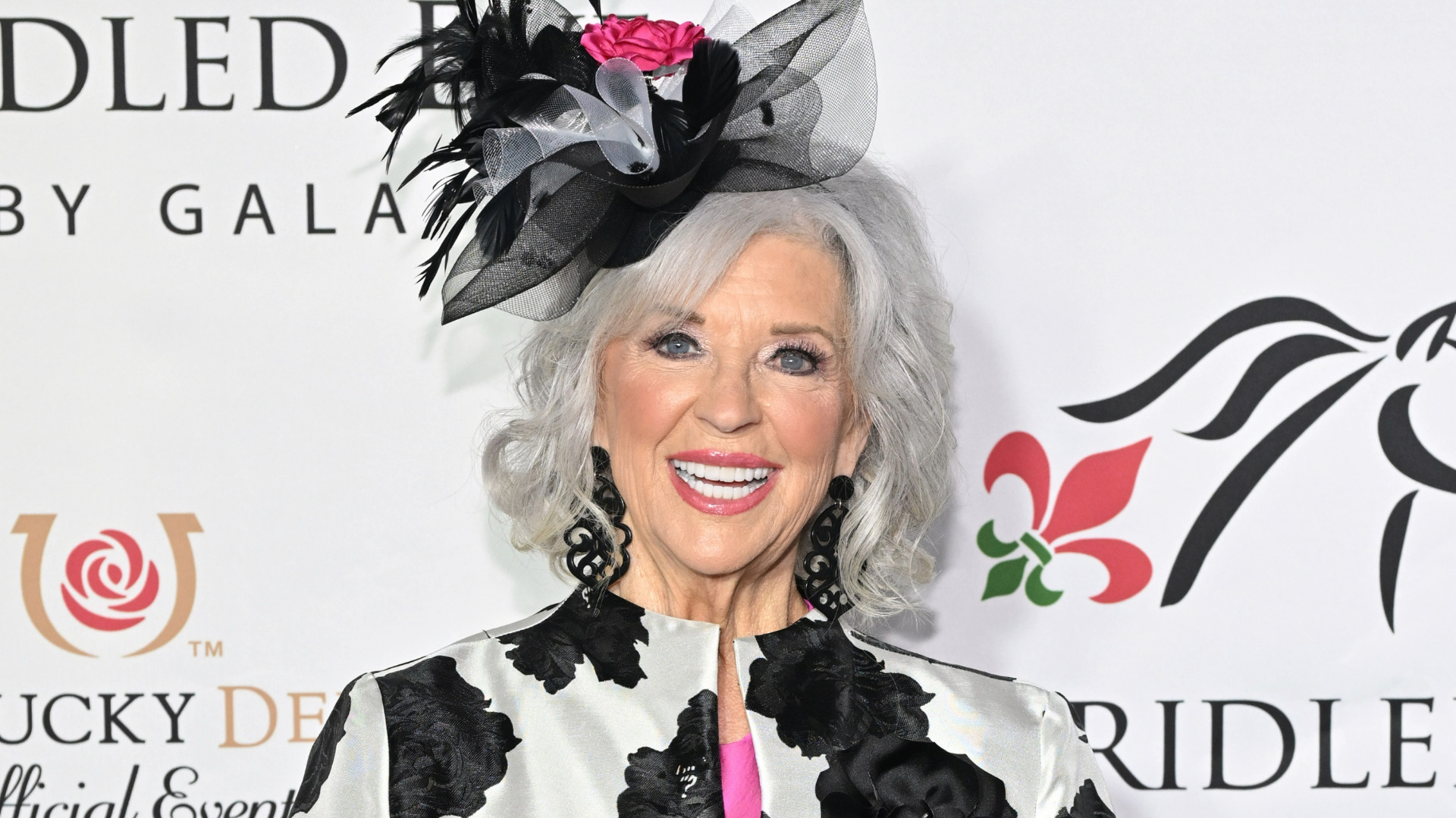
Paula Deen’s career was permanently derailed in 2013 when she admitted during a legal deposition that she had used the N-word in the past.
According to Entertainment Weekly, the fallout cost her Food Network deals, major endorsements, and her position in the public eye. Now, a new documentary revisits the controversy, with Deen and her attorney defending her testimony.
Canceled: The Paula Deen Story, which premiered on Saturday, September 6, at the 2025 Toronto International Film Festival, features interviews with both Deen and her lawyer, Bill Glass.
In the film, Glass argues that her admission should not have been considered damaging. “If anybody brings any sense to her comments and heard her answer and understood the context, they should not take any issue with it,” he says.
That “context,” according to Deen, was a 1987 armed robbery. She recalls being at work in a bank when a masked man put a gun to her head.
“All he said was, ‘Get the big bills.’ So I did that and gave it to him. And he left,” she says. Deen explains that she later used the racial slur while describing the incident to her husband, not in public.
Glass maintains that the deposition’s questioning was off base. “It wasn’t, ‘Do you use it at the restaurant?’ It wasn’t, ‘Have you used it recently?’ It was, ‘Have you ever used the N-word?’” he explains. “There’s two reasons to object to that line of questioning. One was it was directed at leverage, not truthfulness. The second reason is it had nothing to do with the claims in the case.”
The case itself was filed by Lisa Jackson, a white manager at one of Deen’s Georgia restaurants, who alleged racial bias and sexual harassment against Deen and her brother, Earl Hiers.
While a federal judge dismissed the racial bias portion of the suit in 2013, Deen’s deposition had already become public. On page 23 of the transcript, published by CNN, she confirmed, “Of course,” she had used the N-word.
In Canceled, Deen maintains that she isn’t racist, and the film includes interviews with family members and associates who defend her character. At the time of the lawsuit, her spokesperson also told the New York Times that Deen believed in “equal opportunity, kindness and fairness for everyone.”