
‘The Voice of Hind Rajab’ Director Kaouther Ben Hania on the Year’s Most Urgent Film

On the afternoon of January 29, 2024, call handlers from humanitarian aid organisation the Palestine Red Crescent Society were connected with someone in urgent need of help. Over a crackling line through their headsets came the small, desperate, confused voice of a child—a five-year-old girl called Hind Rajab—pleading with someone to come and get her. She and six members of her family—her uncle, aunt, and four young cousins—had been driving through Gaza City, evacuating from the west to the north under a call from the IDF, when their car came under fire. All but Hind were killed. “They’re dead,” she cried down the line. “I’m so scared, please come.”
For the next three and a half hours, the Red Crescent’s Rana, and her colleagues, kept Hind on the phone as she hid inside the vehicle from nearby Israeli tanks, pressed up against the bodies of her four cousins, while the team frantically tried to secure and coordinate safe passage for an ambulance to rescue her. “Stay with me,” a terrified Hind said over and again. “Come get me.” To keep her on the phone, they asked her questions: what class was she in at school? (“Butterfly.”) They prayed with her. When Hind’s life began to fade, they tried to comfort her with breathing exercises until, eventually, as night fell, their prompts were met with silence from the other end of the line.
It took 12 days for Hind’s body—and those of her family—to be retrieved from the car; in the footwell lay a crumpled page from what appeared to be a coloring book. Just meters away from the bullet-ridden vehicle was the ambulance, now just a burnt-out shell. Having finally been dispatched, it had been attacked as it approached Hind’s vehicle. Inside were the remains of the two paramedics sent to save her.
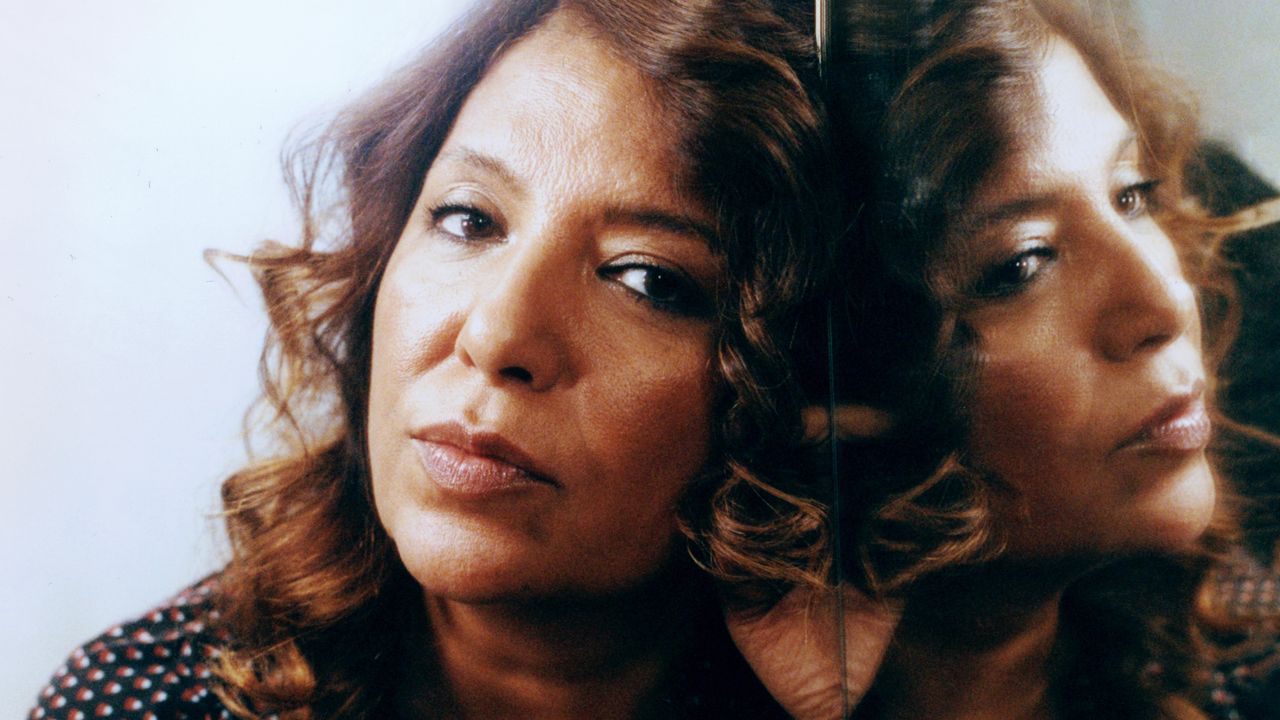
Kaouther Ben Hania was in an airport, busy on the Oscar campaign trail for her last film, 2023’s Four Daughters (nominated in the best documentary feature film category), when she first heard the harrowing recording of Hind “begging for her life” on the internet, after the Red Crescent uploaded the audio to social media, immortalizing Hind’s voice as a haunting emblem of the war. So “immediate” were the pleas that came through Ben Hania’s own headphones that “for a millisecond” she thought Hind was speaking directly to her. “I thought she was asking me to save her,” recalls the 48-year-old Tunisian director today, from her apartment near Fontainebleau, a scenic town just outside Paris that’s famous for its forest. Her green surroundings “help me a lot to think,” she says, smiling, her dark eyes sparkling. “I moved here for this.”